

a reflection: imagining the future
on how our questions shape what we think is possible


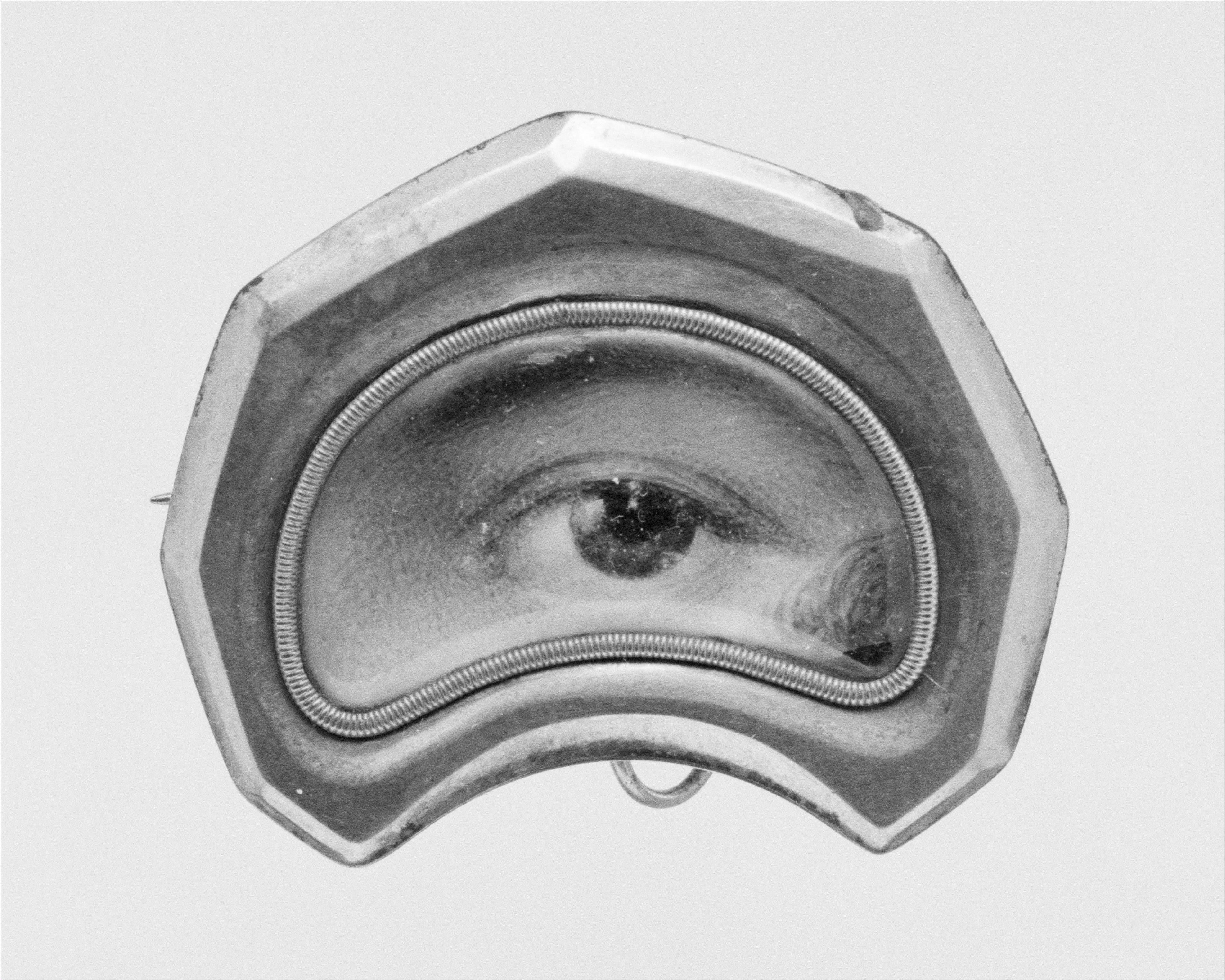
When someone asks you about your future, what actually happens inside you? Do you see something - a silhouette, a place, a version of yourself somewhere ahead? Do words emerge, or fragments of language you try to arrange into an answer? Maybe you notice lines or shapes, a sense of movement without a clear image. Or perhaps the question registers first as a feeling, before anything else arrives. And what if nothing appears at all?
It’s a question we’re asked in so many familiar forms: Where do you see yourself in five years? Where do you imagine yourself in ten years? Where do you see yourself heading? What’s the plan? What do you want to be doing in one year? They’re often asked casually, as if the answer should be close at hand, as if a few seconds ought to be enough.
I’ve never really had a clear answer to them - or maybe I didn’t have the language, or the space, to find one. For a long time, I assumed that not having an answer meant I didn’t know. That I lacked imagination, or ambition, or some essential clarity everyone else seemed to have. And when I walked away and tried to figure it out on my own - closing my eyes, searching for something to appear - nothing did. I didn’t see a future.
This is, after all, the dominant way we talk about imagination. We’re told to envision success, to picture the life we want, to see ourselves somewhere else in the future. We’re asked to imagine our “ideal” day, our “dream” job, our future self looking back. So when I couldn’t do that, I kept asking myself why I couldn’t imagine the future at all.
For a long time, I felt self-conscious in these moments without quite knowing why. It felt like I’d missed something obvious; some shared understanding everyone else seemed to have. I didn’t yet have the language to see that I was taking the questions literally, only the sense that I was responding differently. It was only later that this discomfort turned into curiosity; about why vision became the default language for imagining the future in the first place, and what that language asks of people who don’t experience things that way.
When I think about the future, I don’t see images; but I do feel things. And when I’m asked to talk about the future, I’m often being asked to translate those feelings into something tangible; which is where I tend to freeze. It isn’t that nothing is there. It’s that what’s there doesn’t easily turn into the kind of answer the question seems to want.
Only recently did I learn that not everyone imagines in images. Some people experience little or no visual mental imagery at all; a condition often described as aphantasia. Others experience imagery as faint, unstable, or difficult to hold, sometimes referred to as hypophantasia. In both cases, imagination itself can remain rich, emotional, conceptual, and spatial. Cognitive scientists have also found that, for many people, imagining the future relies on the same mental systems used for remembering the past; building scenes, replaying episodes, mentally “pre-living” what hasn’t happened yet. But this isn’t universal. Not all minds construct the future as a place you can visit.
Learning this didn’t suddenly give me answers, but it did shift how I understood the question itself. Where do you see yourself? assumes a particular cognitive style. It assumes the future is accessed through visual mental imagery; that imagining means constructing internal scenes you can describe. But what if that’s only true for some people?
Even without the question of imagery, there’s another reason these questions are challenging for me to engage with. Living with anxiety shapes what my attention fixates on. Anxiety doesn’t stop me from thinking about what’s ahead; if anything, I think about it constantly. But it pulls my focus toward what feels most urgent, unresolved, or potentially threatening.
Tomorrow, next week, and next month feel accessible because they’re close enough to respond to. My mind can scan, anticipate, and adjust. I can worry in ways that feel, at least marginally, useful. Sometimes my thoughts jump much further ahead; five years, ten years; but when they do, they arrive charged with dread rather than clarity. The future doesn’t open up; it swells.
With anxiety, I’m acutely aware of variables. And the further ahead I try to think, the more those variables multiply. Too much is unknown. Too much depends on people, systems, and circumstances outside my control. Often this response arrives before language. My body tightens. My thoughts scatter. Too many questions appear at once, without any clear way to organise them.
This is where thinking about the future starts to become difficult for me. The further ahead I’m asked to look, the less anchored it feels. As the horizon stretches, details blur and possibilities multiply. My mind doesn’t float easily above specifics; it needs something concrete to hold onto. Without that, the future can feel overwhelming rather than expansive.
And the questions we’re often asked don’t make this any easier. They tend to be broad and open-ended, as if a whole life could be gathered into a single answer. When I’m asked about the future, there’s rarely space for the uncertainty or the questions underneath. What’s usually being asked for is a sense of steadiness; something that sounds directional or reassuring.
Over time, I’ve learned that things don’t always go to plan. That certainty is fragile. That the world changes quickly, sometimes abruptly. In a time shaped by overlapping crises, imagining too far ahead can feel less like hope and more like speculation.
I also know this isn’t true for everyone. For some people, imagining far into the future is a source of comfort; a way of holding on when the present feels unbearable. Being about to imagine what’s ahead can be sustaining, even necessary. I’m not interested in replacing one “correct” way of imagining with another, only in loosening the idea that there’s a single way we’re meant to know what comes next.
Still, my hesitation has often been misread. I’ve noticed how uncomfortable “I don’t know yet” can make people; how quickly silence gets filled, how often uncertainty is treated as something that needs fixing. There’s a subtle social cost to not having an answer ready; a sense that you’re wasting time, being difficult, or failing to know what you’re supposed to know. Some people need answers in order to feel safer or more secure, and that makes sense. We all relate to uncertainty differently.
For a long time, I turned that discomfort inward. I wondered if I was avoidant, indecisive, or behind. I worried that not having a complete answer meant I didn’t know what I wanted, or that I wasn’t ambitious enough. And I’ll be honest; I don’t know that these explanations are entirely wrong. Maybe I am cautious. Maybe I do hesitate. Maybe I’m slower to commit to a future I can’t yet feel my way into. But I’m starting to suspect these labels explain less than they seem; that they describe the friction between how I’m expected to imagine the future and how I actually experience it, rather than the experience itself.
All of this has made me wonder whether we often ask too narrow questions about the future; not just of ourselves, but of each other. These questions tend to make sense to some minds, and less sense to others. They assume a particular way of knowing what comes next, and leave little room for answers that are tentative, unfinished, or still taking shape.
There’s another layer to this too, and it happens internally. What do we say to ourselves in those moments? How quickly does that familiar voice appear; the one that says you should know by now, that everyone else seems to, that you’re falling behind. I notice how easily not knowing turns into self-criticism, how a question meant to invite reflection can start to feel like a test.
What if, instead of asking people to picture their future, we asked questions that stayed closer to lived experience? Questions like; what feels important to you right now? What do you want more space for? What kind of days are you hoping for more of? What do you want to tend to? What are you slowly leaning toward?
I’ve also started to wonder why imagining the future is so often framed as an individual practice. Where do you see yourself? What do you want your life to look like? As if the future were something you figure out on your own, rather than something shaped by conditions you don’t fully control. I find it hard to imagine myself five years from now without thinking about the world I’ll be living in; the social, political, and environmental conditions that shape what’s possible, and the collective choices that determine what comes next.
So maybe we should also be asking different kinds of questions. Questions like; what kind of world are we moving toward? What feels fragile right now? What needs more care or attention? What do we want to protect as things change? What would it mean to imagine a future together, rather than alone?
I’m less interested now in settling these questions, and more interested in opening them up. What do we really mean when we ask someone to imagine their life ahead? Whose ways of thinking do these questions make room for, and whose do they exclude? And what might change if we spoke about the future with more room for uncertainty, feeling, and each other?
I’m not sure the future needs to be seen to be felt. And maybe learning to ask better questions; of ourselves and of each other; is part of learning how to imagine together at all.
Love this piece!! ❤️